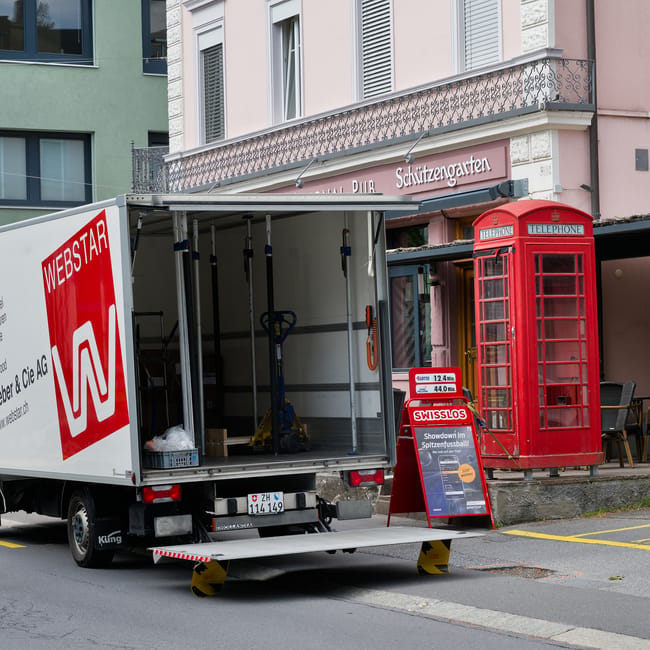
Man with Van in Croydon

Our man with van in Croydon service is set up for straightforward transport jobs that need careful handling, sensible loading and a practical vehicle size. It is a flexible option for moving a few bulky items, collecting purchases, shifting office furniture or helping with home moves that do not call for a full removal crew. The focus is on getting belongings moved cleanly and securely, with the right approach for access, timing and the items themselves.
If you need help with anything from a single heavy item to a more involved local move, we can support the planning as well as the carrying. That might mean working around stairs, arranging the load so it travels safely, or making sure the most awkward pieces are placed where they can be reached first. Practicality matters here: the service is designed to fit the job rather than force the job to fit a fixed package.
For a quote, send over the details of what needs moving and where it needs to go, and we can talk through the best option. If your plans are still flexible, a short description is enough to start the conversation, and you can refine the arrangement from there.
House Moves, Single Items and Local Transport
Home customers often use a man and van service when the move sits between a courier job and a full-scale removal. That can include beds, wardrobes, sofas, white goods, boxed belongings or several rooms’ worth of smaller items. We can help with loading, transport and unloading, keeping the job organised so the move is easier to manage. Where items need careful orientation or protection, the work is handled with that in mind rather than treated as a simple delivery run.
For smaller domestic jobs, it is usually useful to think about what must travel together, what can be dismantled, and which items need extra space or padding. A sensible vehicle choice and loading plan can make a noticeable difference to how smoothly the journey goes. If the move includes awkward access, narrow hallways or shared entrances, that can be factored into the arrangement before the day arrives. home moves are often easier to coordinate when the main items are identified early.
Typical domestic transport requests may include:
- furniture moved between rooms, properties or storage
- student or flat moves with limited baggage
- collection and delivery of marketplace purchases
- transport for bulky items that will not fit in a car
- help shifting items after refurbishment or redecorating
Furniture, Appliance and Heavy Item Removal

When the job is mainly about moving one or more large objects, the service can be planned around safe lifting and sensible protection. Furniture can need more than carrying strength; it may need positioning, turning, dismantling or reassembly awareness so that door frames, floors and the item itself are not damaged. That applies to sofas, cabinets, tables, beds and similar pieces that are awkward to shift without a proper plan.
Some customers also need transport for white goods or replacement items, and those can demand additional care because of weight, shape and residual contents. If an appliance has to be disconnected, emptied or prepared before collection, that should be organised in advance so there are no surprises. furniture pick-up can work well when the main objective is to move a specific item efficiently rather than arrange a full house clearance.
Where disposal is part of the request, it helps to separate reusable, relocatable and end-of-life items before the vehicle is booked. That makes the load easier to plan and lets the mover allocate space sensibly. For larger or heavier items, the best result usually comes from clear access, a measured lift and the right order of loading rather than from rushing the task.
Commercial Moves and Office Transport
Businesses often need a man with van service for smaller office relocations, equipment transfers or the movement of stock and supplies between sites. The work may involve desks, chairs, filing units, boxed archive material, monitors or trade items that need to arrive in the correct order. The aim is to keep the move practical and controlled so that operations can resume with as little disruption as possible.
Commercial jobs can be especially dependent on timing and layout. If items are going to an upper floor, a shared building or a limited access unit, the route in and out matters as much as the route on the road. When the move includes more delicate items, such as screens or compact electronic equipment, it is sensible to think about padding and stacking before loading begins. office relocation services give a clearer route when the job is focused on business equipment and workplace furniture.
For many firms, the useful question is not whether the move is big or small, but whether it can be broken into manageable stages. A single well-organised trip may suit one office, while a sequence of collections and deliveries may be better for stock, tools or seasonal equipment. Clarity about the destination, access and load order usually saves time on the day.
Packing, Loading and Moving Support

Although a man and van service is often chosen for transport, the practical work starts before the engine does. Good packing and loading reduce the risk of damage and make the journey more efficient. Boxes should be closed securely, loose parts kept with the items they belong to, and fragile belongings separated from heavier loads. When items are loaded in the right sequence, the unloading process becomes simpler as well.
For customers who want extra help beyond carrying, packing support can be a useful part of the arrangement. That may mean wrapping delicate goods, grouping room contents, or preparing items so they can be handled without confusion. packing and unpacking services are especially relevant when time is limited or when the move includes a mixture of everyday belongings and more breakable items.
Useful preparation points often include:
- separate anything that must travel with you personally
- label boxes that contain fragile or priority items
- make doors, lifts and parking arrangements clear in advance
- remove loose fittings or contents from furniture where appropriate
- keep a note of items that need reassembly at the destination
Vehicle Size, Access and Load Planning
The right van size depends on the type of load, the number of items and the access at each end of the move. A compact collection may need little more than room for a few large items and several boxes, while a broader domestic move could need a vehicle with enough space to separate heavier pieces from lighter ones. The aim is not simply to fill the vehicle, but to use the available space in a way that supports safe travel.
Access planning matters just as much as vehicle choice. Some jobs need careful consideration of parking restrictions, stairways, lifted items, loading bays or distance between the property and the vehicle. When access is tight, the schedule may need a little more flexibility so the loading can be done properly. moving truck information can help customers compare transport options when they are deciding how much space their job really needs.
To keep the job efficient, it is helpful to know whether the items are boxed, dismantled, stacked, wrapped or still assembled. That changes how they can be carried and how they should be loaded. Where possible, the load should be planned so that the heaviest objects sit securely and lighter items are protected from compression during transit.
Pricing, Quote Details and Booking Choices

Quotations for a man with van job usually depend on the details of the load, the distance involved, the amount of labour needed and any access constraints at either end. A collection of a few items is not priced in the same way as a move that includes stairs, dismantling or repeated trips. Clear information makes the quote more accurate, which is why item lists and destination details are useful from the outset.
When you ask for a price, it helps to mention whether the move is one-way, whether there is loading assistance available at either end and whether any items need special handling. If you already know the preferred date or time window, include that too. pricing and quotes is the best place to begin if you want a better sense of how the arrangement may be structured before you confirm anything.
For the smoothest reply, send a concise description of the items, the collection point, the delivery point and any access notes that may affect the job. That is usually enough to start a sensible conversation. Simple, accurate details help avoid misunderstandings and allow the move to be planned around the real work rather than around assumptions.
About Croydon
Croydon is a large town in south London with a long history as a market settlement and transport hub. Its present character reflects layers of change: medieval origins, Victorian growth, post-war rebuilding and continuing redevelopment in the town centre. The area sits within the London Borough of Croydon and is closely associated with a dense urban landscape, where major roads, tram routes and rail connections shape how people move through the district. Croydon has long been known for its role in retail, administration and travel, and that function remains visible in the busy centre around East Croydon and the wider network of streets that connect residential neighbourhoods with commercial spaces.
Furniture Disposals and End-of-Use Collections
 When items are no longer wanted or are not suitable for another address, collection can still be handled in a practical and orderly way. Furniture disposal work may include sofas, beds, tables, wardrobes and similar pieces that are too awkward for ordinary household transport. The key difference between disposal and relocation is that the load needs to be sorted with a view to reuse, recycling or responsible removal rather than simply delivery. mattress and sofa disposal is especially useful when bulky soft furnishings are the main part of the job.
Some disposal requests also involve items that are harder to handle because of weight, residue or shape. Appliances may need checking before they are moved, and mixed loads may need separating so the right items can be taken in the right way. Where the contents are not all for disposal, it is worth distinguishing what should be moved on, what should be kept and what should be treated as surplus. That simple split can make the rest of the job easier to manage.
If you are planning a clear-out alongside a move, it can be sensible to identify the items you want to retain before the collection day. That keeps the van space focused on the right load and reduces confusion at the property. For a straightforward quotation, describe the main items and the collection point, and we can help you work out the next step.
Helpful Options for Special Items and Mixed Loads
Some jobs involve a mixture of item types, and that is where a flexible van-based service is particularly useful. A single trip may combine furniture, boxes, small appliances, and a few fragile pieces that need different handling. The value of the service lies in being able to adapt to the contents rather than force everything into one rigid method. fridge and appliance removal suits moves where bulky white goods need more careful treatment than ordinary boxed goods.
There are also situations where the load is less about relocation and more about handling odd or awkward articles that do not fit a standard courier pattern. In those cases, the planning stage should focus on dimensions, weights and access, because those factors shape how the job can be completed. If the item is unusually heavy or difficult to position, that should be mentioned clearly before the booking is confirmed so the transport can be organised appropriately.
Where the journey includes several stops, the order of collection and delivery can make a meaningful difference. Heavy items often travel best when they are fixed in place early, while smaller or more delicate items can be added later in a way that protects them from movement. A careful sequence is often more important than simply having enough room.
Why Customers Use a Van-Based Moving Service
People choose a man with van arrangement when they want a practical balance between cost, flexibility and hands-on help. It can suit a move that is too substantial for a car yet does not require the scale of a full removals team. That makes it useful for students, renters, small households, traders and anyone moving a select set of items. The service also fits jobs where the contents are varied and need careful loading rather than quick drop-off.
Another reason for choosing this kind of service is the ability to keep the arrangement focused on the actual task. If the job is a few pieces of furniture, there is no need to organise more transport than necessary. If it is a broader mixed load, the approach can be adjusted to suit the number and size of items. man and van is the broader service area to look at when you want to understand how a flexible van move is typically arranged.
Before making an enquiry, it helps to think about the parts of the job that affect the amount of work involved: item size, stairs, parking, loading assistance and whether the goods are going to one destination or several. Those details keep the quotation conversation focused and help ensure the move is planned realistically from the start.
Getting Ready for a Smooth Move
Most of the smoothest jobs are the ones where the main details are settled in advance. That does not mean every box needs to be packed immediately, but it does mean the move benefits from a basic plan. Clear access, a sensible list of items and a realistic idea of timing all help the day run more neatly. If you can, group items by room or by priority so that loading and unloading can follow a logical order.
It is also useful to decide which pieces need special handling before the van arrives. Some objects are easier to carry with covers or blankets in place, while others should be dismantled or emptied first. If the move includes collection from a shop, storage unit or workplace, mention that early as well. contact us when you are ready to outline the job and want the arrangement assessed against the actual items.
For a final check, keep the destination address, access notes and item list together in one place so the plan is easy to follow. That makes the request simpler to review and gives the mover enough information to decide how the job should be approached. If you already know the main pieces, now is a good time to request a quotation.